Psychotherapy for children, young people and families in Norwich, Norfolk.
“When children and young people feel more deeply understood and connected to key adults, distressing behaviours can begin to drop away”.
Childhood Difficulties
Children and young people can struggle emotionally from time to time as they try to adjust to the internal and external changes that are a part of growing up in their environments.
Sometimes they are dealt a blow that derails their development or makes life harder. Sometimes they lose hope or trust in those around them. Sometimes extreme emotions are expressed through their behaviour and in ways that they neither understand or can control. This can prevent these children and young people from benefiting from the care and opportunities that are available to them.


How can psychotherapy help children and families?
Psychodynamic psychotherapy is a child-centred approach for children and young people who may be experiencing a wide range of problems where there are underlying emotional issues.
Psychotherapists are trained to look beneath the surface of concerning behaviours to help children, young people and their families to understand themselves and their problems. They carefully observe a child or young person and respond to what they might be communicating verbally and non-verbally (i.e. through their behaviour, how they relate to others and through activities such as drawing and play).
Through the relationship with the therapist in a consistent setting, the child or young person may begin to feel able to express their most troubling thoughts and feelings. They are helped to find words for confusing states, make sense of their own experience and develop their own individuality and potential. As a result the child or young person can begin to express their emotions in healthier ways and start to return to the normal process of growth and development. They are likely to feel less anxious, more able to learn and better equipped to sustain friendships.
Psychotherapy can sometimes make a difference quickly but the treatment is not just about getting rid of unwanted symptoms. It aims to help people make better use of future opportunities and relationships. This can involve working through complex and deep seated feelings, ways of coping that hold them back and spending time to consolidate progress. Treatment is usually prioritised when people do not understand why a child or young person is experiencing emotional distress, when their difficulties are likely to be deep rooted or relate to early trauma or relationship disruptions, or when a child or young person is likely to require longer-term work to process emotions and understand their experiences.
Psychotherapy: first steps
1
Initial 75-minute adult consultation
To explore your concerns, gather background information, consider a range of support and whether the psychotherapy support that I offer might be helpful. You can ask questions and together we can plan any next steps.
2
Exploratory sessions
If agreed, further exploratory sessions will be offered to you and/or your child, usually 3 - 5 sessions. These provide you / your child with a feel of how I work and time to ask any questions. They allow me to understand your family’s situation and your child’s internal world more and how I might help.
3
Agreement of support
Following the exploratory sessions, we can then all consider whether and how best to work together in a more informed way. If agreed, this might involve continued weekly sessions for your child, a weekly/fortnightly reflective space for you as a parent/carer, or sometimes work with you and your child together. Alternatively recommendations and onward referrals may be provided.
FAQs
-
It can be useful to seek an initial consultation with a couple of psychotherapists before making a decision. A reputable therapist will usually offer an initial exploratory session with no further obligation.
Some therapists may also offer a free brief discussion to answer any immediate questions.
It is worth keeping in mind that working with children can be more complex than working with adults. Therefore, assessments can take longer than it would in adult psychotherapy. It is also important for this reason, that a psychotherapist has the appropriate training and adequate experience in working with children and sometimes with the specific presenting difficulty or situation.
Psychotherapists working with children should have clear child protection policies or procedures in place to protect children and themselves. They should work within their expertise and discuss with families, referrals to other professionals when required and appropriate.
Other useful questions to consider when meeting a psychotherapist include:
Does the therapist provide a private room and regular sessions?
Are you and your child treated with respect, and listened to carefully and constructively?
Does the therapist maintain boundaries and respond thoughtfully to appropriate questions?
-
In any psychological treatment there is a risk of feeling worse before you feel better. Therefore, the behaviour of some children can worsen before it improves. For example, children sometimes find that a session can stir up unwelcome thoughts, feelings or memories. This can make them dismissive or critical of their therapist and they may want to avoid going to future therapy sessions.
Children can work hard during therapy and this can take a lot of emotional energy. Most children, including those who are critical or dismissive about therapy, become attached to the work and find holiday breaks or cancelled sessions difficult.
-
I support children and young people from birth to 25 years old. They may be presenting with a range of difficulties with an underlying emotional component and who feel they will benefit from having a weekly space to express themselves. They may be showing signs of anxiety, low mood, self-esteem issues, aggression, relationship difficulties, eating issues, phobias, gender and sexuality diversity, stress and coping difficulties, loss and bereavement, traumatic events, developmental trauma such as neglect and abuse, neurodevelopmental issues such as ADHD or autism).
I support parents who have worries about their children, or who want to reflect on their parenting role.
-
Children can struggle to communicate what they are feeling or experiencing in words. Sometimes emotional difficulties show themselves through behaviour, difficulties at school, anger, fearfulness or withdrawal.
Psychotherapy can provide a safe, consistent and confidential space for a child to explore what may be happening beneath the surface, develop a better understanding of their feelings and experiences, and build more helpful ways to cope.
IT IS MOST APPROPRIATE WHEN:
The aim is emotional processing in a safe and reliable setting/relationship, rather than assessment or diagnosis.
When difficulties are deep rooted or relate to early relationships or trauma.
A child needs longer-term therapy to process emotions and understand their experiences.
An initial consultation and exploratory sessions for your child will help inform if further psychotherapy is likely to be helpful or whether your child is likely to benefit from more support or a different type of support.
-
Therapy offers a safe and reliable space where your child can explore their thoughts, feelings, relationships and experiences. This is their internal world.
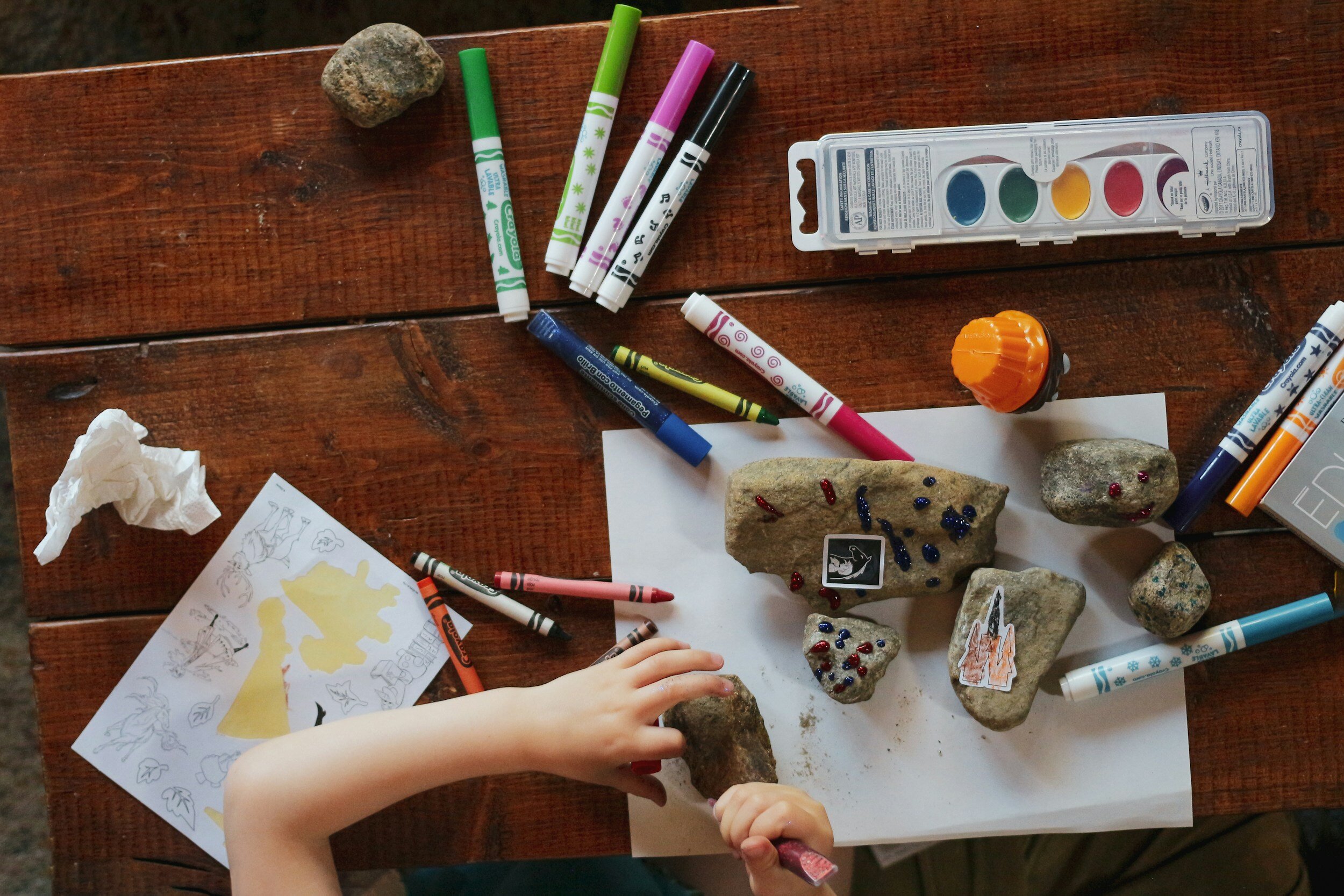
The sessions are led by your child. Depending on their age and individual needs, children may communicate through talking, play, drawing, games, stories, imagination or other activities. These can provide important ways of expressing experiences or needs that may be difficult to put into words.
-
Not necessarily. Children communicate in different ways, and therapy is not about expecting a child to sit and talk about their feelings for 50 minutes.
Play, drawing, stories and other forms of activity can all be ways of communicating and exploring what is happening for them. Over time, the therapeutic relationship can help a child feel more able to think about and communicate their experiences.
-
A key ingredient for progress is in “Working Together”: You are the expert on your child and your family. While the therapy room is a private space for your child, I may need to meet with you regularly, usually in parent review sessions. Together, we will make sense of your child’s struggles and work to bring about change that supports your child’s healthy development.
Children can often be anxious before therapy and may also be emotionally affected by the session in a way which means that afterwards, they may need quiet time to assimilate. It is most helpful for parents to support a child by being ‘available’ for them, but not to enquire too much about what was said or done in therapy. Often a simple question such as, ‘How did it go?’ can be enough. Some children may want to tell parents more information; others may choose to keep things private. It is important to give your child the message that it is fine for them to be private.
As psychotherapy is a dynamic and developmental process, there are often challenges along the way. During the process of therapy, there may be periods which are harder and children may not want to attend. Children may feel or appear to be suddenly ‘better’ before adequate integration has occurred. It is important then for parents to support them in continuing to come, to work through their anxieties (or wishes to prematurely and suddenly end) with my support.
-
A therapeutic space needs to feel safe and confidential enough for a child to express themselves honestly. For this reason, I do not share the content of individual sessions with parents.
However, parents remain an important part of the work. I will discuss the overall themes and progress of therapy, and we will work together around anything that is important for your child’s well being and safety. Confidentiality and it’s limits are discussed clearly at the beginning of therapy.
-
Psychotherapy can offer the conditions for change and growth but no particular outcome can be guaranteed. A key ingredient for progress is in everyone ‘Working Together’.
The aim of psychotherapy is not to simply stop a particular behaviour. Behaviour is often an important way of communicating emotional experiences or difficulties that a child does not yet have the words to express. By understanding what may be underneath the behaviour, it can become possible to help them develop different ways of managing their feelings and relationships. When children feel more connected and deeply understood by others, distressing behaviours can begin to drop away.
Some of the ways therapy might help include:
MOVE FROM “ACTING OUT” TO TALKING: Helping your child express feelings through words and play rather than outbursts or shutting down.
HEALING HIDDEN WORRIES: It uncovers and untangles the hidden fears, self-doubt, or confusing thoughts that drive a child’s daily struggles.
BUILD EMOTIONAL RESILIENCE: Strengthening your child's ability to handle anger, sadness, and anxiety without becoming overwhelmed.
FAMILY STRAIN: Providing a pressure valve for the home, reducing overall household tension and friction.
STRENGTHEN CONNECTIONS: Helping you understand what your child’s behaviour is trying to tell us, leading to a calmer, more supportive home environment.
CREATE LASTING CHANGE: Rewiring how your child processes emotions deep down, setting them up with healthy foundations for the future.
-
This varies considerably between children. Some children may benefit from a shorter period of therapy (e.g. 3 - 6 months), while others may need longer-term therapy (e.g. 1 year +) to explore more complex emotional or relational difficulties. As a general rule, longer term work is helpful where problems have become deep-rooted and from patterns laid down in earlier childhood, or where a child may have other additional needs that interact with their emotional development (e.g. neurodevelopmental differences or learning disabilities).
The length and frequency of therapy will be discussed following some exploratory sessions and reviewed as the work develops.
-
Yes. A child’s difficulties can affect the whole family, and the family relationships can also influence how a child feels and behaves.
Psychodynamic work considers these relationships as part of understanding the child’s experiences. Where appropriate, I will also work with parents/carers, alongside the individual work with the child to also consider how the child’s behaviour is impacting on parents and influencing how they in turn respond.
-
It is understandable that a child may feel uncertain about starting therapy. Building a therapeutic relationship takes time, and children need to feel that therapy is a space where they can be themselves rather than somewhere they are being judged or told what to do.
The initial parent/carer consultation (and exploratory sessions) provides an opportunity to think about your child’s feelings about therapy and what might help them engage.
Your child may need more support and careful planning if they appear emotionally shutdown or withdrawn, experience communication difficulties, or if there are feelings of criticism and blame around.
Your child cannot be forced to attend therapy and other options of support can be considered.